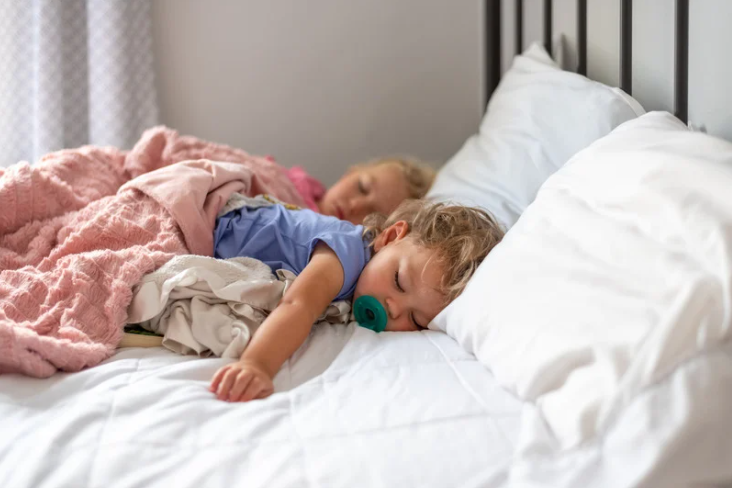
Parents have different expectations when it comes to kids’ mattresses. For some, it is the mattress that meets their budget. Others prioritise support, especially for children who are getting into their teen years. Parents with children who enjoy jumping on mattresses may be different from those with kids who are not as active.
Although every parent has their own expectations when it comes to kids’ mattresses, here are some common features found in the best mattress for kids.
Hypoallergenic Mattress Material
It is not unusual for you to find a baby mattress with harmful chemicals. They may include volatile organic compounds, such as benzene and formaldehyde. These chemicals are toxic, and the effects may be evident in the short and long term. You don’t want to expose your child to these chemicals. You should be even more careful if your child has asthma or allergies.
Signs of a Toxic Baby Mattress
- Unusual Mattress Odor: One of the obvious signs of a toxic baby mattress is a strong odor. This may be due to the release of chemicals from the materials used or because of off-gassing. Sometimes the odor becomes more evident as the mattress gets older, so you may need to take a closer look at the materials and chemicals used during purchase.
- Skin Irritations: Allergic reactions may also be a telltale sign of a toxic mattress. Signs include heightened skin sensitivity, rashes, and itching. Observe your child’s reaction to the baby mattress. If they appear uncomfortable, maybe the source is in the mattress.
- Respiratory Problems: Another obvious sign of a toxic baby mattress is your child developing respiratory issues. These respiratory problems tend to occur at night or when they wake up. Observe the trend so you can identify possible causes. The problem may be more obvious in children with asthma and other respiratory conditions.
Sometimes it is not easy to identify a safe kids’ mattress. However, the best mattress for kids has certifications that confirm the mattress has met all the safety standards. For example, a baby mattress with a Global Organic Textile Standard (GOTS) certification is made from certified organic and non-toxic materials.
Durability of Beds
The baby mattress may only be useful for a limited time, but if you get a durable one, you may not need to replace it, especially if you have plans to have more kids. You can also give it to your friends and family, knowing it is of high quality and durable.
The best mattress for kids should be made from high-density foams (foam mattress) and sturdy coils. This helps ensure the kids’ mattress doesn’t start sagging prematurely.
Age-Specific Mattresses for Young Children
The best mattress for kids should also be age-specific. For example, the priority for toddlers is a firm and safe mattress. The best option is a dense foam mattress, but if you prefer a spring mattress, the innersprings should be tightly looped for the required firmness.
Younger kids, aged 5 – 12 years, require a more supportive mattress that provides comfort and durability. As they get older, kids may also voice their preference regarding how firm or soft they prefer their kids’ mattress. Teens may focus more on long-term support and comfort.
The best mattress for kids is objective and often subject to personal preference. However, there are features you should never compromise on, such as toxicity and poor-quality materials.